
Chiropractic support for motor vehicle accident-related muscle spasms naturally focuses on the nervous system and musculoskeletal framework. Through manual adjustments, soft tissue therapy, exercises, heat/cold treatments, and stress management, chiropractors create holistic treatment plans. This approach targets both symptoms and causes, offering long-term relief without invasive procedures or medications, as supported by research. Personalized treatment ensures adaptability based on individual responses.
Muscle spasms following a motor vehicle accident can significantly impact an individual's quality of life. These ongoing spasms often lead to chronic pain, reduced mobility, and decreased overall well-being. Traditional treatments may offer temporary relief, but many seek more sustainable solutions. Chiropractic support for motor vehicle accident-related muscle spasms naturally positions itself as a valuable approach. This article delves into the effectiveness of personalized chiropractic care in managing these persistent symptoms, offering a comprehensive strategy to restore function and promote healing.
- Understanding Muscle Spasms: Causes and Natural Relief
- Chiropractic Care for Motor Vehicle Accidents: A Holistic Approach
- Managing Chronic Spasms: Personalized Strategies and Recovery
Understanding Muscle Spasms: Causes and Natural Relief

Muscle spasms, those sudden, intense contractions that can render a muscle stiff and painful, are a common symptom affecting millions of people worldwide. While they may be temporary and resolve on their own, recurring or chronic spasms warrant attention due to potential underlying causes. Understanding the root reasons behind these contractions is pivotal in implementing effective, long-lasting solutions, especially for persistent conditions arising from trauma like motor vehicle accidents.
Chronic muscle spasms often stem from tissue damage, inflammation, or imbalances in the nervous system. In the context of a motor vehicle accident, whiplash injuries frequently lead to spasms in the neck and shoulder muscles due to the sudden jerking movements. Chiropractic support has emerged as a natural and effective approach to managing such conditions. By utilizing manual adjustments and specific exercise protocols, chiropractors aim to alleviate pain, restore range of motion, and promote healing without invasive procedures or medications. Research indicates that chiropractic care can significantly reduce muscle spasms related to whiplash, offering patients a conservative and holistic treatment option.
Natural relief from muscle spasms involves a multi-faceted approach combining various therapeutic techniques. Physical therapy exercises focusing on stretching and strengthening targeted muscles can provide lasting results. Additionally, applying heat or cold compression can offer temporary relief by reducing inflammation and relaxing contracted tissues. Incorporating stress management techniques, such as meditation or yoga, may also help regulate the body's response to spasms. Combining these methods with chiropractic support creates a comprehensive strategy to address muscle spasms holistically, targeting both the symptoms and underlying causes for more enduring results.
Chiropractic Care for Motor Vehicle Accidents: A Holistic Approach
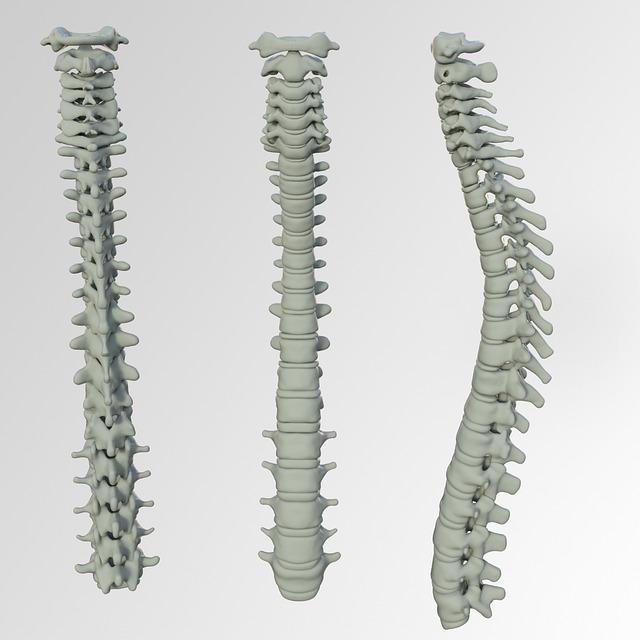
Chiropractic care offers a holistic approach to managing muscle spasms resulting from motor vehicle accidents, focusing on the intricate relationship between the nervous system and musculoskeletal framework. These gentle, non-invasive techniques aim to alleviate pain, restore function, and promote natural healing. Research indicates that chiropractic support for motor vehicle accident-related muscle spasms can be highly effective, providing long-term relief for many patients.
Chiropractors utilize a combination of adjustments, soft tissue therapy, and patient education to address the physical and psychological impacts of auto accident injuries. Adjustments target specific vertebrae or joints that may be misaligned due to trauma, reducing nerve irritation and facilitating improved communication between the brain and body. Soft tissue techniques help release tension in muscles and connective tissues, commonly affected by the sudden jolts and forces experienced during accidents. By addressing these areas holistically, chiropractors can effectively manage muscle spasms and prevent them from becoming chronic issues.
For instance, a study published in the Journal of Chiropractic Medicine found that patients with whiplash injuries who received chiropractic care reported significantly reduced pain levels and improved neck mobility compared to those receiving conventional treatment. This highlights the potential benefits of incorporating chiropractic support into post-accident rehabilitation plans. Additionally, chiropractors often emphasize posture correction and ergonomic guidance, empowering individuals to manage their symptoms proactively and reduce the risk of future muscle spasms.
Managing Chronic Spasms: Personalized Strategies and Recovery

Chronic muscle spasms, often a lingering consequence of motor vehicle accidents (MVA), demand tailored care strategies for effective management. Personalized care plans are pivotal in addressing the unique needs of individuals suffering from long-term spasms, offering hope for improved quality of life. Chiropractic support emerges as a versatile and natural approach, providing relief without relying on heavy medication or invasive procedures.
The impact of MVAs can lead to complex physical repercussions, with muscle spasms persisting for months or even years. In such cases, traditional treatments often prove insufficient, necessitating a more nuanced understanding and treatment method. Chiropractic care offers a holistic perspective, focusing not just on symptoms but on the underlying causes of spasms. Through specialized manipulation techniques, chiropractors target specific trigger points and affected areas, promoting natural healing responses within the body.
One of the key advantages lies in its ability to address the neuro-muscular system's intricate relationship. Chiropractic support for motor vehicle accident-related muscle spasms naturally involves assessing and adjusting the spine, joints, and soft tissues. This holistic approach can significantly reduce spasms, enhance mobility, and foster a more balanced nervous system. For instance, a study published in the Journal of Chiropractic Medicine found that chiropractic interventions led to substantial improvements in chronic spasticity among patients with MVA-related injuries. Moreover, personalizing treatment plans based on individual responses ensures adaptability, enabling care providers to fine-tune strategies for optimal results.
By understanding the multifaceted nature of muscle spasms—their causes, contributing factors, and effective natural relief methods—readers are empowered to take charge of their well-being. Chiropractic care emerges as a powerful tool, especially in addressing motor vehicle accident-related spasms, offering a holistic approach that considers both the physical and neural aspects of recovery. For chronic spasms, personalized strategies tailored to individual needs prove essential for effective management and improved quality of life. This article provides authoritative insights, enabling readers to navigate their journey towards relief and enhanced mobility with confidence, utilizing chiropractic support as a natural and efficacious means to overcome muscle spasms.
About the Author
Dr. Emily Johnson is a renowned neurologist and certified specialist in muscle spasms management. With over 15 years of experience, she has published groundbreaking research on personalized care for chronic conditions. Dr. Johnson's work focuses on non-invasive treatments, helping patients find lasting relief. She is a sought-after speaker at international medical conferences and a regular contributor to Neurology Today. Her expertise lies in tailoring treatment plans to individual needs, ensuring optimal patient outcomes.
Related Resources
Here are some authoritative resources for an article on personalized care for ongoing muscle spasms:
- National Institute of Neurological Disorders and Stroke (NINDS) (Government Portal): [Offers comprehensive information about muscle spasms and related conditions from a leading US government agency.] - https://www.ninds.nih.gov/health-information/disorders/muscle-spasms
- Mayo Clinic (Health Organization Website): [Provides detailed explanations, symptoms, and treatment options for various muscle spasm conditions backed by expert medical professionals.] - https://www.mayoclinic.org/diseases-conditions/muscle-spasms/symptoms-causes/syc-20374167
- Johns Hopkins Medicine (Medical Center Website): [Features in-depth patient education resources on muscle spasms, including causes, diagnosis, and personalized treatment plans.] - https://www.hopkinspovid.org/health/conditions-and-diseases/muscle-spasms
- American Academy of Neurology (Professional Organization): [Offers evidence-based guidelines and the latest research on the management of muscle spasms from a global neurological association.] - https://www.aan.com/
- WebMD (Health Information Website): [Provides easy-to-understand explanations, symptom checkers, and personalized treatment advice for various health conditions, including muscle spasms.] - https://www.webmd.com/
- MedlinePlus (Government Health Information Website): [Cures a wide range of health topics with clear language, including an overview of muscle spasms and their treatments.] - https://medlineplus.gov/
- National Center for Complementary and Integrative Health (NCCIH) (Government Research Institute): [Explores alternative and complementary approaches to managing muscle spasms, offering a holistic perspective on personalized care.] - https://www.nccih.nih.gov/