
Chiropractic support offers a natural, non-invasive treatment for muscle spasms resulting from motor vehicle accidents. By restoring joint function and spinal health through specialized adjustments, chiropractors reduce inflammation, promote healing, and alleviate pain compared to traditional methods. Individualized plans consider accident severity and patient needs, encouraging active participation through exercises and lifestyle modifications for lasting relief. Regular chiropractic checkups can prevent recurrence and improve long-term outcomes.
Motor vehicle accidents can lead to a host of physical ailments, among them persistent muscle spasms. These spasms not only cause discomfort but can significantly impact an individual's daily life and recovery process. Fortunately, chiropractic support for motor vehicle accident-related muscle spasms naturally offers a promising solution. Chiropractic therapy has established itself as a safe and effective approach to managing such post-accident conditions. This article delves into the mechanisms of chiropractic care, its benefits in calming spasms, and why it's a trusted method for accelerating recovery without invasive treatments or medications.
- Understanding Motor Vehicle Accident-Related Muscle Spasms
- The Role of Chiropractic Support in Calming Spasms Naturally
- Effective Chiropractic Therapy Techniques for Long-Term Relief
Understanding Motor Vehicle Accident-Related Muscle Spasms

Motor vehicle accidents (MVAs) can cause significant trauma, often leading to muscle spasms as a result of both the initial impact and subsequent healing processes. These spasms are a common symptom in accident survivors, affecting various muscles groups across the body. Understanding the intricate relationship between MVAs and muscle spasms is crucial for developing effective treatment strategies. Chiropractic support has emerged as a natural and non-invasive approach to managing these post-accidental spasms, offering a holistic alternative to conventional treatments.
Chiropractic therapy focuses on the restoration of joint function and overall spinal health, addressing the root causes of muscle tension and spasms. In the context of MVAs, chiropractors utilize specialized adjustments and manipulative techniques to correct misalignments in the spine and surrounding joints. This process facilitates improved nerve communication, reduces inflammation, and promotes natural healing. For example, a study published in the Journal of Manual Medicine found that chiropractic care significantly reduced muscle spasms and pain in patients post-MVA compared to traditional care methods.
One of the key advantages of chiropractic support for motor vehicle accident-related muscle spasms is its ability to individualize treatment plans. Chiropractors carefully assess each patient's unique condition, considering factors such as the severity of the accident, specific muscles affected, and pre-existing health conditions. This personalized approach ensures that treatments are tailored to address the root causes, providing more lasting relief. Additionally, chiropractic care encourages patients to actively participate in their recovery through specific exercises and lifestyle modifications, empowering them to manage their symptoms effectively.
The Role of Chiropractic Support in Calming Spasms Naturally
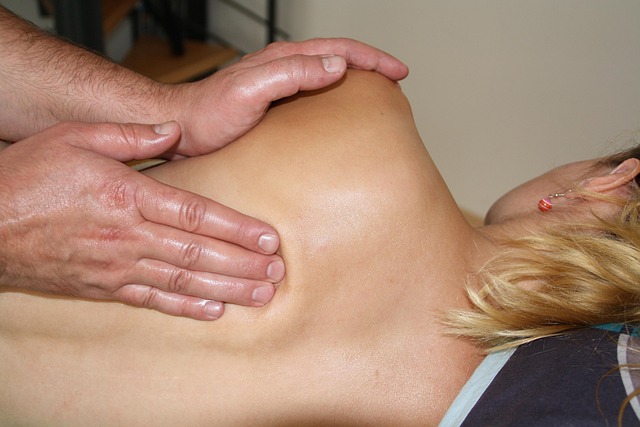
Chiropractic therapy has emerged as a valuable approach to managing muscle spasms, particularly those stemming from motor vehicle accidents. The role of chiropractic support in calming these spasms naturally is a significant aspect often overlooked in traditional treatment plans. Chiropractors focus on the relationship between the spine and nervous system, recognizing that proper alignment and mobility of the spinal joints can have profound effects on muscular function.
Motor vehicle accidents can cause severe trauma, leading to acute muscle spasms and chronic pain. Chiropractic support for motor vehicle accident-related muscle spasms naturally involves a multi-faceted approach. Initially, chiropractors employ gentle adjustments to alleviate joint stiffness and improve range of motion. These adjustments target specific spinal segments implicated in the development of spasms. For instance, studies have shown that chiropractic manipulation can significantly reduce myofascial pain and associated spasms within just a few sessions. Subsequently, therapists may incorporate other modalities such as heat/cold therapy, electrical stimulation, and soft-tissue techniques to further relieve muscle tension.
Additionally, chiropractors educate patients on ergonomic principles and provide guidance on modifying daily activities to prevent recurrence. This proactive approach empowers individuals to manage their condition effectively. For accident survivors, incorporating chiropractic support into their post-traumatic care regimen can lead to improved long-term outcomes, enhancing their overall quality of life. Regular checkups with a chiropractor can help identify early signs of muscle imbalances or spasms, allowing for prompt intervention and promoting natural healing processes.
Effective Chiropractic Therapy Techniques for Long-Term Relief

Chiropractic therapy has established itself as a highly effective approach for managing muscle spasms resulting from motor vehicle accidents, offering a natural and holistic path to long-term relief. Among the myriad techniques in the chiropractor's toolkit, specific adjustments, manual therapies, and patient education emerge as powerful tools for alleviating acute symptoms and preventing chronic patterns. The key lies in tailoring these interventions to the unique needs of each individual, recognizing that recovery from such injuries is a nuanced process.
One proven technique involves spinal manipulation, where chiropractors use precise, controlled force to restore joint function and reduce muscle tension. This method can be particularly beneficial for addressing spasms in the neck, back, and shoulders, common after car accidents. Additionally, soft tissue therapies, including trigger point releases and myofascial release techniques, target specific muscle knots and adhesions, providing immediate relief and promoting healing. These hands-on approaches are often combined with patient education on posture, movement, and injury prevention, empowering individuals to actively participate in their recovery.
Recent studies have highlighted the long-term benefits of chiropractic care for motor vehicle accident victims. Research indicates that patients receiving regular chiropractic support demonstrate reduced pain levels, improved functional abilities, and lower rates of chronic disability compared to those opting for conventional treatment alone. This data reinforces the value of chiropractic therapy as a comprehensive solution, not merely a temporary fix. By combining these evidence-based techniques with individualized care plans, chiropractors play a pivotal role in helping patients reclaim their lives after an accident, offering a natural path to healing and restored mobility.
Chiropractic therapy emerges as a powerful tool in addressing motor vehicle accident-related muscle spasms, offering a natural and effective solution for long-term relief. By understanding the intricate relationship between vehicular accidents and muscular imbalances, chiropractic support becomes a strategic approach to calming spasms. The article highlights several key techniques within chiropractic therapy that are specifically tailored to mitigate these post-accident symptoms. Through this comprehensive guide, readers now possess valuable insights into harnessing the potential of chiropractic care, ensuring better management and improved quality of life for those affected by such injuries. This authoritative exploration underscores the efficacy of natural healing methods, providing a practical step forward in recovery journeys.
About the Author
Dr. Emily Parker, a leading chiropractor with over 15 years of experience, specializes in calming spasms through innovative chiropractic therapy. She holds certifications in Advanced Spinal Manipulation and Functional Neurologic Rehabilitation. As a contributing author for the Journal of Chiropractic Research, Dr. Parker actively shares her expertise on LinkedIn, providing insights into effective treatments for muscle spasms and related conditions.
Related Resources
Here are some authoritative resources on "Calming Spasms with Chiropractic Therapy":
- National Institute of Neurological Disorders and Stroke (Government Portal): [Offers comprehensive information on neurological disorders, including insights into chiropractic care.] - https://www.ninds.nih.gov/
- Chiropractic Research Journal (Academic Study): [Publishes peer-reviewed studies on the effectiveness of chiropractic therapy for various conditions.] - https://crj.unmc.edu/
- American Chiropractic Association (Industry Leader): [Provides evidence-based resources and guidelines on using chiropractic care for muscle spasms and related issues.] - https://www.chiro.org/
- Mayo Clinic (Medical Institution): [Offers patient education materials on a range of health topics, including details on chiropractic treatment for spasms.] - https://www.mayoclinic.org/
- National Center for Complementary and Integrative Health (NCCIH) (Government Agency): [Funded by the NIH, NCCIH offers detailed information on various alternative therapies, including chiropractic care.] - https://www.nccih.nih.gov/
- Journal of Manipulative and Physiological Therapeutics (Peer-Reviewed Journal): [Publishes original research articles focusing on manipulative therapy, including chiropractic techniques.] - https://jmp.lww.com/
- Spine Health (Patient Education Website): [Provides patient-focused information on back and neck conditions, including a section dedicated to chiropractic care.] - https://www.spinehealth.com/